Products
Carrot
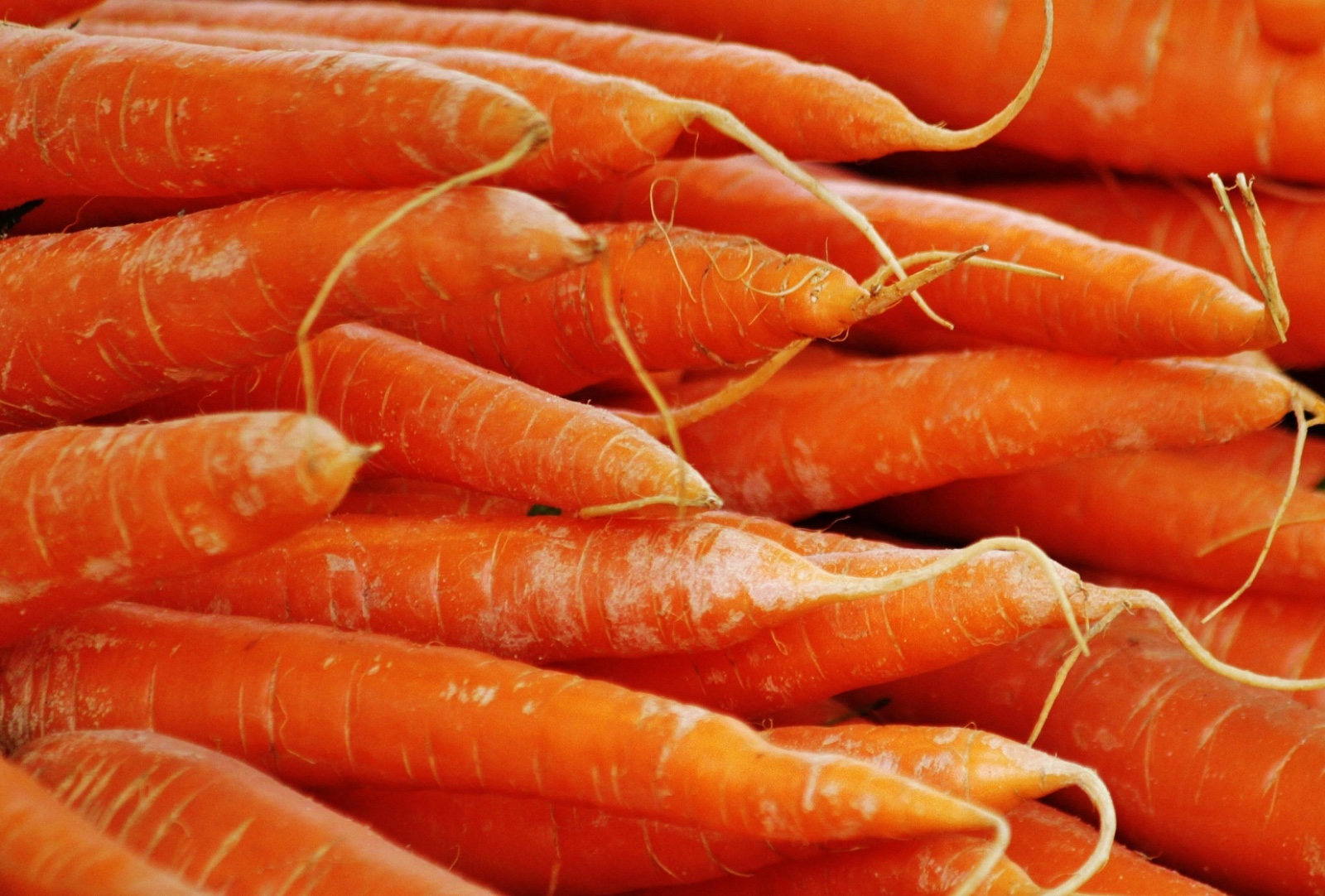
The carrot, known scientifically as Daucus carota, is a plant of the Apiaceae family. Rich in beta-carotene, which the body transforms into vitamin A, carrots are essential for healthy skin, vision and the immune system. This vegetable, thanks to its nutritional properties and its sweet and delicate flavour, is widely consumed both raw in salads and dips, and cooked in numerous culinary preparations.
Furthermore, the carrot is made up of over 80% water, which makes it ideal for supporting hydration and promoting well-being, considered a precious food for a balanced and healthy diet.
An interesting fact is that carrots were not originally orange: the first varieties were purple, red or yellow. Orange, associated today with the carrot, was obtained by Dutch growers in the 17th century to honor the Royal House of Orange.
|
JAN
|
FEB
|
MAR
|
APR
|
MAY
|
JUN
|
JUL
|
AUG
|
SEP
|
OCT
|
NOV
|
DEC
|
|---|---|---|---|---|---|---|---|---|---|---|---|
|
|
|
|
|
|
|
|
|
|
|
|
|
Production: 2 cycles/year
Environment: 70% in greenhouse and 30% in open field
Cultivation method: integrated defense
Harvest: manual
Average length: 15-20 cm
Weight: 60-120 grams.
Cultivated ground qualities: Sandy
Kohlrabi
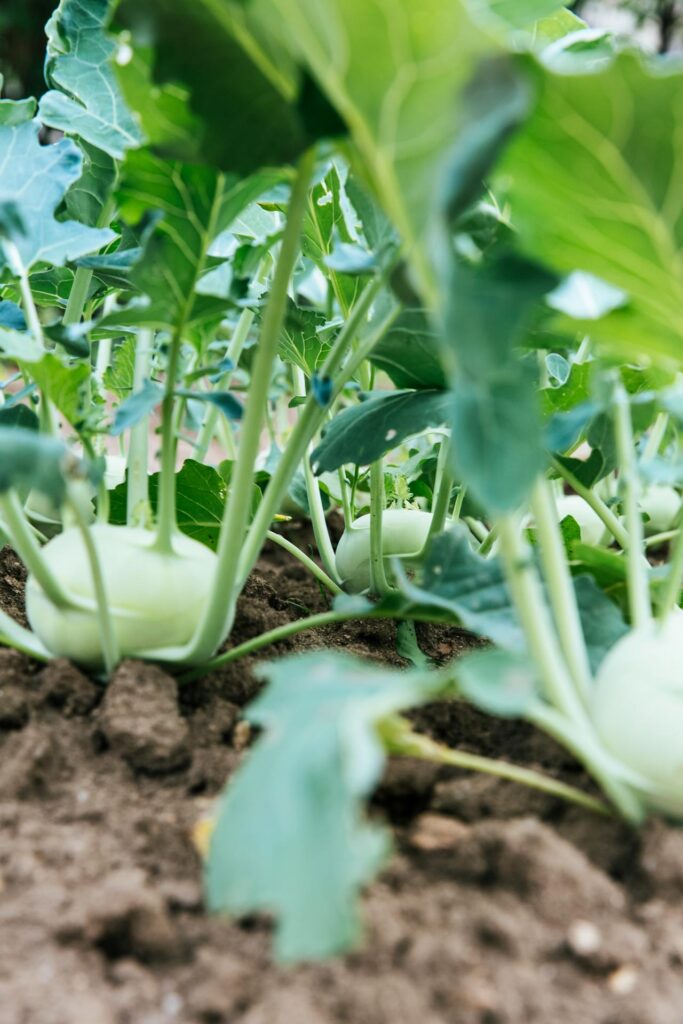
Kohlrabi, scientifically known as Brassica oleracea var. gongylodes, is a plant belonging to the Brassicaceae family, characterized by a round or slightly flattened bulb. This vegetable is appreciated for its white, crunchy pulp and a sweet and delicate flavour, similar to that of broccoli or radish.
It is a low-calorie vegetable, rich in fibre, vitamin C, potassium and small quantities of carbohydrates and proteins.ello.
Thanks to its versatility, kohlrabi can be eaten both raw in salads and dips, and cooked in soups, stews and side dishes. Its crunchy texture and sweet flavor make it a highly appreciated food.
|
JAN
|
FEB
|
MAR
|
APR
|
MAY
|
JUN
|
JUL
|
AUG
|
SEP
|
OCT
|
NOV
|
DEC
|
|---|---|---|---|---|---|---|---|---|---|---|---|
|
|
|
|
|
|
|
|
|
|
|
|
|
Production: 2 cycles/year
Environment: 100% greenhouse
Cultivation method: integrated defense
Dimensione: 5-10 cm
Weight: 400-550 grams
Cultivated ground qualities: humid
Trapianto: mechanical and manual
Cucumber
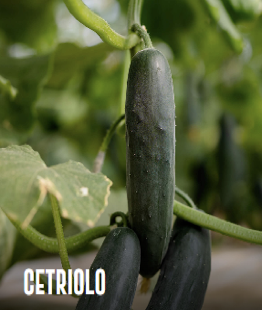
The cucumber (Cucumis sativus), belonging to the Cucurbitaceae family, produces elongated green fruits, with crunchy and water-rich pulp with a fresh and slightly sweet taste, ideal for salads and healthy snacks. It is a low-calorie food, which provides carbohydrates, fibre, vitamin C, potassium and magnesium, promoting hydration and well-being. Thanks to its refreshing flavor, it is widely used both raw and made into pickles, and its versatility makes it perfect for the summer diet.
An interesting curiosity is that cucumber is used not only in cooking, but also in cosmetics for its soothing and refreshing properties, often applied in face masks to hydrate and reduce irritation.
|
JAN
|
FEB
|
MAR
|
APR
|
MAY
|
JUN
|
JUL
|
AUG
|
SEP
|
OCT
|
NOV
|
DEC
|
|---|---|---|---|---|---|---|---|---|---|---|---|
|
JAN |
FEB |
MAR |
APR |
MAY |
JUN |
JUL |
AUG |
SEP |
OCT |
NOV |
DEC |
- Production: 2 cycles/year
- Environment: 100% in greenhouse
- Trapianto: manual
- Cultivation method: integrated defense
- Lunghezza: 15-25 cm
- Weight: 100-300 grams
- Cultivated ground qualities: well drained, sandy-clay-ey
Watermelon and mini watermelon
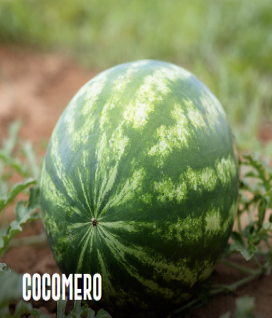
Watermelon, scientifically known as Citrullus lanatus, is a plant of the Cucurbitaceae family, characterized by large fruits, with a round or elongated shape. Its pulp, generally red or sometimes yellow, is sweet and rich in water (about 90%), while the peel is green or dark green. In addition to being low in calories, watermelon provides a small amount of carbohydrates, fiber and protein, and is rich in vitamin C and potassium. This fruit is highly appreciated for its sweet and fresh flavor and is mainly consumed raw, also in juices and smoothies. Thanks to its high water content, watermelon is an excellent choice for promoting hydration, especially in summer.
|
JAN
|
FEB
|
MAR
|
APR
|
MAY
|
JUN
|
JUL
|
AUG
|
SEP
|
OCT
|
NOV
|
DEC
|
|---|---|---|---|---|---|---|---|---|---|---|---|
|
JAN |
FEB |
MAR |
APR |
MAY |
JUN |
JUL |
AUG |
SEP |
OCT |
NOV |
DEC |

Disponibili anche biologici
- Production: 1 summer cycle
- Environment: 60% greenhouse 40% open field
- Cultivation method: integrated defense
- Metodo di coltivazione BIO: GLOBAL G.A.P. - SQNPI
- Weight: 3-20 kg
- Cultivated ground qualities: very sandy, medium sandy texture
- Resa media per ha: 800 q
Cornettone
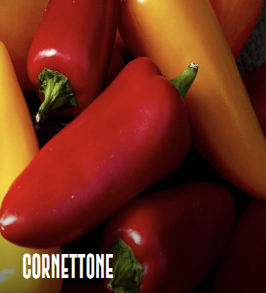
The Cornettone, a variety of pepper (Capsicum annuum), is a plant of the Solanaceae family, known for its elongated and fleshy fruits, with a color that varies from green to intense red when ripe. The Cornettone is characterized by a crunchy and tasty pulp, ideal for both raw consumption in salads and cooked in numerous culinary preparations.
This pepper is rich in vitamins, especially vitamin C and A, and also provides a good amount of fiber and potassium, making it a nutritious and versatile food.
Among the curiosities, the Cornettone is much appreciated in the kitchen, both fresh and pickled or dried, for its intense but not excessively spicy flavour. It is a versatile variety, which combines the strong flavor of chilli peppers with the typical sweetness of peppers.
|
JAN
|
FEB
|
MAR
|
APR
|
MAY
|
JUN
|
JUL
|
AUG
|
SEP
|
OCT
|
NOV
|
DEC
|
|---|---|---|---|---|---|---|---|---|---|---|---|
|
JAN |
FEB |
MAR |
APR |
MAY |
JUN |
JUL |
AUG |
SEP |
OCT |
NOV |
DEC |
- Production: 1 cycle/year
- Environment: 100% greenhouse
- Cultivation method: integrated defense
- Weight: 150-250 grams
- Cultivated ground qualities: sandy-clay-ey
- Harvest: manual
Daikon
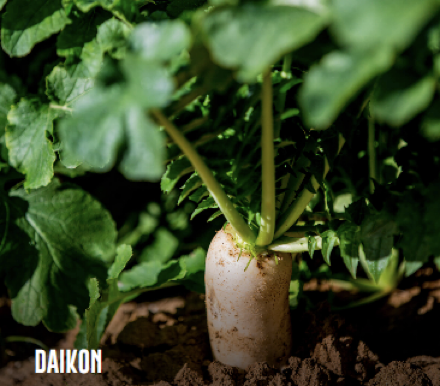
Daikon (scientific name: Raphanus sativus var. longipinnatus) is a variety of giant radish native to Asia, also known as "white radish". This vegetable has an elongated root, which can reach an average weight between 500 grams and 2 kilograms, with a crunchy pulp and a delicate taste.
To grow well, daikon prefers sandy or sandy-clayey soils, well drained and rich in organic substance.
Its active ingredients include vitamin C, fiber, and antioxidant compounds such as glucosinolates, which have beneficial effects on digestion and anti-inflammatory properties.
A curiosity about daikon is its wide use in Japanese cuisine, where it is eaten both raw and cooked and even fermented. In Japan it is also considered a purifying food, ideal for those who follow a light diet and want to promote intestinal well-being.
|
JAN
|
FEB
|
MAR
|
APR
|
MAY
|
JUN
|
JUL
|
AUG
|
SEP
|
OCT
|
NOV
|
DEC
|
|---|---|---|---|---|---|---|---|---|---|---|---|
|
JAN |
FEB |
MAR |
APR |
MAY |
JUN |
JUL |
AUG |
SEP |
OCT |
NOV |
DEC |
- Production: 2 cycles/year
- Environment: 70% greenhouse and 30% open field
- Cultivation method: integrated defense
- Harvest: manual
- Weight: 500 grams - 2 kg
- Cultivated ground qualities: sandy-clay-ey
Salad (various types)
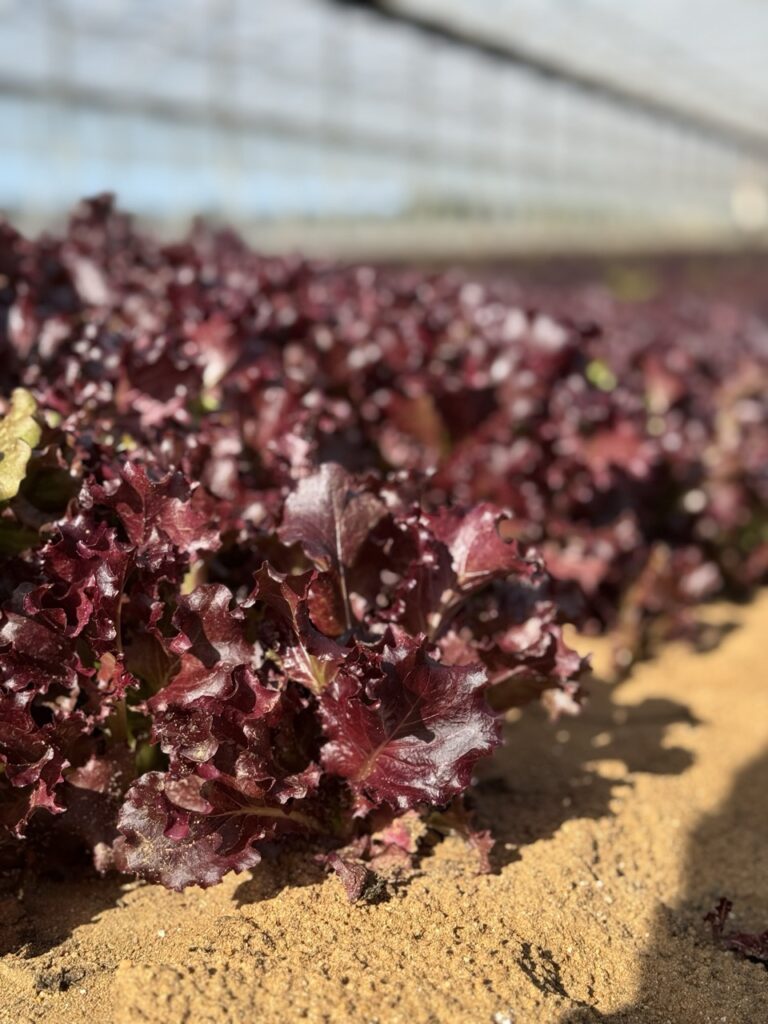
E' una pianta erbacea appartenente alla famiglia delle Asteraceae.
L'insalata è ricca di vitamina K, importante per la coagulazione del sangue, e contiene buone quantità di vitamina A, calcio e ferro.
Inoltre è anche una buona fonte di fibre.
|
JAN
|
FEB
|
MAR
|
APR
|
MAY
|
JUN
|
JUL
|
AUG
|
SEP
|
OCT
|
NOV
|
DEC
|
|---|---|---|---|---|---|---|---|---|---|---|---|
|
JAN |
FEB |
MAR |
APR |
MAY |
JUN |
JUL |
AUG |
SEP |
OCT |
NOV |
DEC |
Disponibili anche biologici
- Production: 5 cuttings
- Environment: 100% greenhouse
- Cultivation method: integrated defense
- Metodo di coltivazione BIO: GLOBAL G.A.P. - SQNPI
- Harvest: manual
- Weight: 300-500 grams
- Cultivated ground qualities: sandy-clay-ey
Pepper
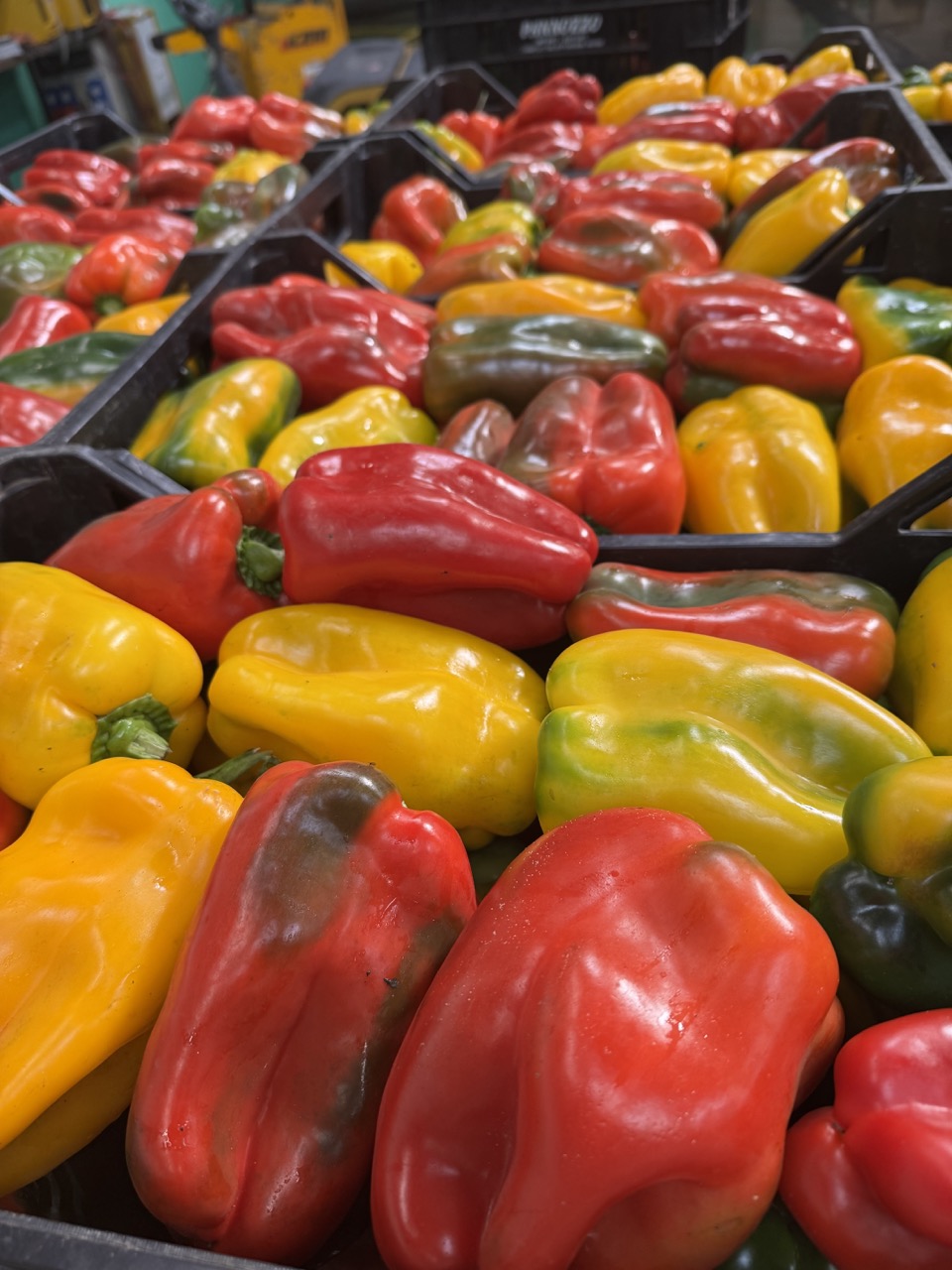
Pepper (Capsicum annuum) is a plant of the Solanaceae family, cultivated throughout the world for its versatile and nutritious fruits. Today, the pepper is appreciated in numerous varieties, such as the Cornettone, famous for its elongated shape and sweet taste.
This vegetable is known for its nutritional properties: It is rich in water and mineral salts such as phosphorus, magnesium, potassium, iron and calcium.
|
JAN
|
FEB
|
MAR
|
APR
|
MAY
|
JUN
|
JUL
|
AUG
|
SEP
|
OCT
|
NOV
|
DEC
|
|---|---|---|---|---|---|---|---|---|---|---|---|
|
JAN |
FEB |
MAR |
APR |
MAY |
JUN |
JUL |
AUG |
SEP |
OCT |
NOV |
DEC |
- Production: 1 cycle
- Environment: 100% greenhouse
- Trapianto: manual
- Cultivation method: integrated defense
- Harvest: manual
- Weight: 150-250 grams
- Cultivated ground qualities: sandy-clay-ey
Root parsley
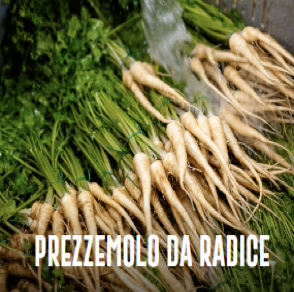
Root parsley (Petroselinum crispum var. tuberosum) is a variety of parsley grown mainly for its fleshy root.
On a nutritional level, it is a good source of vitamins (especially vitamin C and vitamin A), minerals such as iron and potassium, as well as fibre, which aids digestion. Thanks to its delicate flavor, it is appreciated both in cooking and for the benefits it offers to the immune system and general health.
|
JAN
|
FEB
|
MAR
|
APR
|
MAY
|
JUN
|
JUL
|
AUG
|
SEP
|
OCT
|
NOV
|
DEC
|
|---|---|---|---|---|---|---|---|---|---|---|---|
|
JAN |
FEB |
MAR |
APR |
MAY |
JUN |
JUL |
AUG |
SEP |
OCT |
NOV |
DEC |
- Production: 2 cycles/year
- Environment: 80% greenhouse and 20% open field
- Semina: Precision Pneumatic Seeders
- Cultivation method: integrated defense
- Harvest: manual
- Weight: 100-200 grams
- Cultivated ground qualities: sandy or slightly clayey
Round white turnip
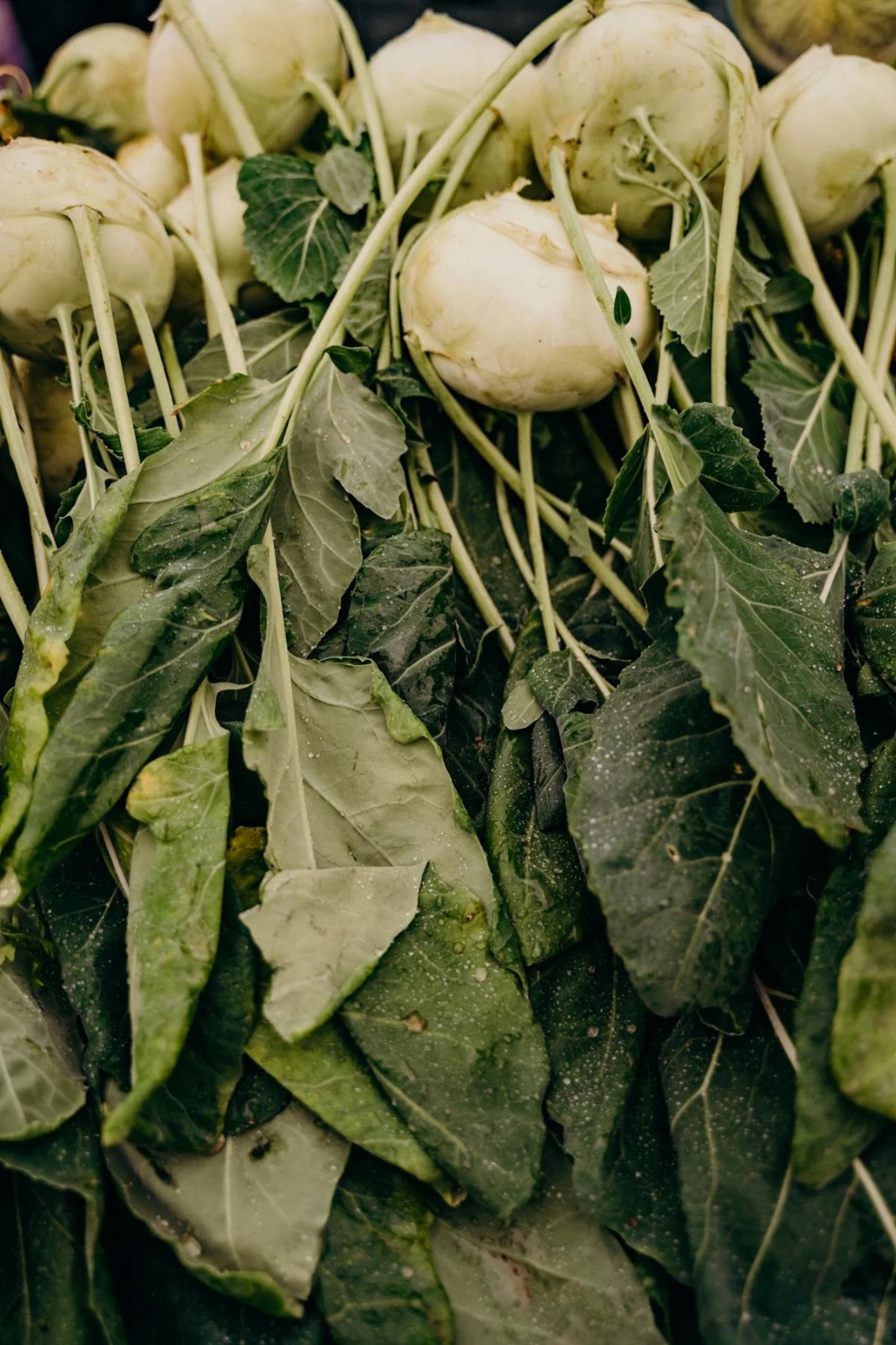
The Tonda Bianca turnip is a variety of turnip from the Brassicaceae family, characterized by a rounded white root with purple hues.
It is rich in beneficial active ingredients, including glucosinolates, natural antioxidants which, during digestion, are transformed into bioactive compounds useful for the immune system and cellular well-being. It also contains essential vitamins, such as vitamin C and some B vitamins, which play important functions in energy metabolism. The round white turnip has a sweet flavor and crunchy texture, often used to make salads, side dishes and cooked dishes. It is appreciated for its nutritional intake and its versatility in the kitchen.
|
JAN
|
FEB
|
MAR
|
APR
|
MAY
|
JUN
|
JUL
|
AUG
|
SEP
|
OCT
|
NOV
|
DEC
|
|---|---|---|---|---|---|---|---|---|---|---|---|
|
JAN |
FEB |
MAR |
APR |
MAY |
JUN |
JUL |
AUG |
SEP |
OCT |
NOV |
DEC |
- Production: 2 cycles/year
- Environment: 100% greenhouse
- Semina: Precision Pneumatic Seeders
- Cultivation method: integrated defense
- Harvest: manual
- Weight: 150-300 grams
- Cultivated ground qualities: Sandy
Radish
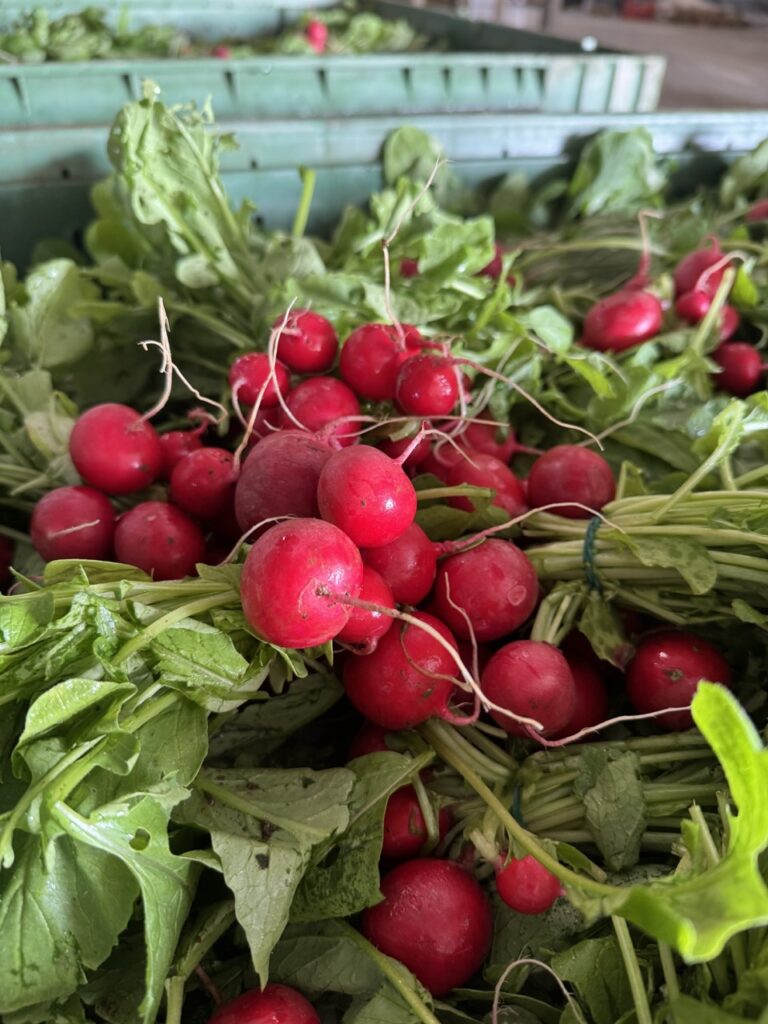
Radish (Raphanus sativus) is a plant of the Brassicaceae family, characterized by crunchy roots with a slightly spicy taste.
Among its main active ingredients, glucosinolates stand out, which have an antioxidant action, and isothiocyanates, known for their digestive and antibacterial properties. It also contains vitamin C, folic acid and minerals such as potassium and calcium, which promote the well-being of the skin and immune system. A Little Fun Fact Radish is known for its rapid growth, with some varieties ready for harvest within a month of planting, making it a popular choice in small home gardens.
|
JAN
|
FEB
|
MAR
|
APR
|
MAY
|
JUN
|
JUL
|
AUG
|
SEP
|
OCT
|
NOV
|
DEC
|
|---|---|---|---|---|---|---|---|---|---|---|---|
|
JAN |
FEB |
MAR |
APR |
MAY |
JUN |
JUL |
AUG |
SEP |
OCT |
NOV |
DEC |
- Production: 3 cycles/year
- Environment: 100% greenhouse
- Semina: Precision Pneumatic Seeders
- Cultivation method: integrated defense
- Harvest: manual
- Weight: 20-30 grams
- Cultivated ground qualities: sandy-clay-ey
Arugula
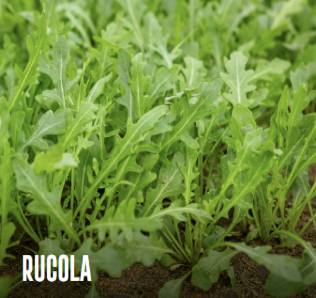
Arugula, scientifically known as Eruca sativa, is a herbaceous plant belonging to the Brassicaceae family. It is highly appreciated for its pungent and fresh flavor, often used in salads and gourmet dishes.
Arugula is rich in vitamin K, important for blood clotting, and contains good amounts of vitamin C, which supports the immune system. It is also a source of antioxidants, such as polyphenols, which help fight oxidative stress in the body.
A curiosity about rocket is its use since ancient times: it was considered an aphrodisiac plant by the ancient Romans and was also cultivated for its oil, rich in beneficial properties for the skin.
|
JAN
|
FEB
|
MAR
|
APR
|
MAY
|
JUN
|
JUL
|
AUG
|
SEP
|
OCT
|
NOV
|
DEC
|
|---|---|---|---|---|---|---|---|---|---|---|---|
|
JAN |
FEB |
MAR |
APR |
MAY |
JUN |
JUL |
AUG |
SEP |
OCT |
NOV |
DEC |
Disponibili anche biologici
- Production: 5 cuttings
- Environment: 100% greenhouse
- Semina: Precision Pneumatic Seeders
- Cultivation method: integrated defense
- Harvest: manual
- Weight: 30-55 grams
- Cultivated ground qualities: sandy-clay-ey
Spinach
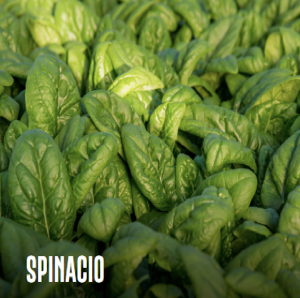
Spinach, scientifically known as Spinacia oleracea, is a herbaceous plant belonging to the Amaranthaceae family. They are known for their delicate flavor and their wide use in cooking, both raw and cooked.
Spinach is an excellent source of vitamins, especially vitamin A, vitamin C and vitamin K, which are essential for healthy skin, the immune system and blood clotting. They also contain iron, a mineral essential for the formation of red blood cells, and calcium, important for bone health.
|
JAN
|
FEB
|
MAR
|
APR
|
MAY
|
JUN
|
JUL
|
AUG
|
SEP
|
OCT
|
NOV
|
DEC
|
|---|---|---|---|---|---|---|---|---|---|---|---|
|
JAN |
FEB |
MAR |
APR |
MAY |
JUN |
JUL |
AUG |
SEP |
OCT |
NOV |
DEC |
Disponibili anche biologici
- Production: 4 cuttings
- Environment: 100% greenhouse
- Semina: Precision Pneumatic Seeders
- Cultivation method: integrated defense
- Metodo di coltivazione BIO: GLOBAL G.A.P. - SQNPI
- Harvest: Meccanica
- Weight: 200-300 grams
- Cultivated ground qualities: sandy-clay-ey
Small spinach
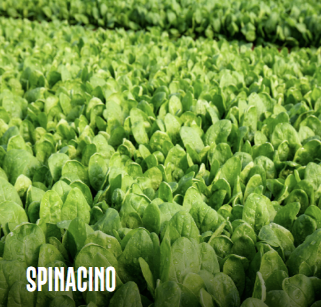
Spinach, known scientifically as Spinacia oleracea var. sativa, is a variety of spinach characterized by more tender and tasty leaves. Prized for its use in salads and fresh dishes, spinach is a nutrient-rich leafy green vegetable.
Spinach contains essential minerals such as iron, calcium and magnesium. Thanks to its antioxidant compounds, including carotenoids and flavonoids, spinach contributes to the protection of cells from oxidative damage and may have beneficial effects on cardiac health and metabolism.
|
JAN
|
FEB
|
MAR
|
APR
|
MAY
|
JUN
|
JUL
|
AUG
|
SEP
|
OCT
|
NOV
|
DEC
|
|---|---|---|---|---|---|---|---|---|---|---|---|
|
JAN |
FEB |
MAR |
APR |
MAY |
JUN |
JUL |
AUG |
SEP |
OCT |
NOV |
DEC |
- Production: 2 cuttings
- Environment: 100% greenhouse
- Semina: Precision Pneumatic Seeders
- Cultivation method: integrated defense
- Harvest: meccanica
- Weight: 150-250 grams
- Cultivated ground qualities: sandy-clay-ey
Valerian
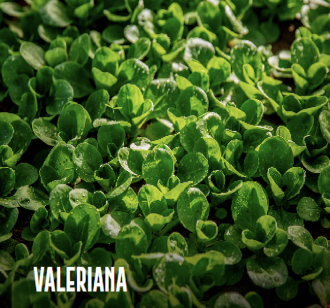
Valerian is especially rich in vitamins such as vitamin C and beta-carotene, which support the immune system and skin health. It also contains vitamin B6 and folic acid, important for the nervous system. Valerian is also a source of minerals such as iron and magnesium, essential for combating tiredness and promoting concentration.
This plant is known for its ability to adapt to various climate conditions, making it a popular choice for fall and winter growing.
|
JAN
|
FEB
|
MAR
|
APR
|
MAY
|
JUN
|
JUL
|
AUG
|
SEP
|
OCT
|
NOV
|
DEC
|
|---|---|---|---|---|---|---|---|---|---|---|---|
|
JAN |
FEB |
MAR |
APR |
MAY |
JUN |
JUL |
AUG |
SEP |
OCT |
NOV |
DEC |
Disponibili anche biologici
- Production: 3 cycles/year
- Environment: 100% greenhouse
- Semina: Precision Pneumatic Seeders
- Cultivation method: integrated defense
- Metodo di coltivazione BIO: GLOBAL G.A.P. - SQNPI
- Harvest: Mechanized
- Weight: 80-150 grams
- Cultivated ground qualities: Slimy
White courgette
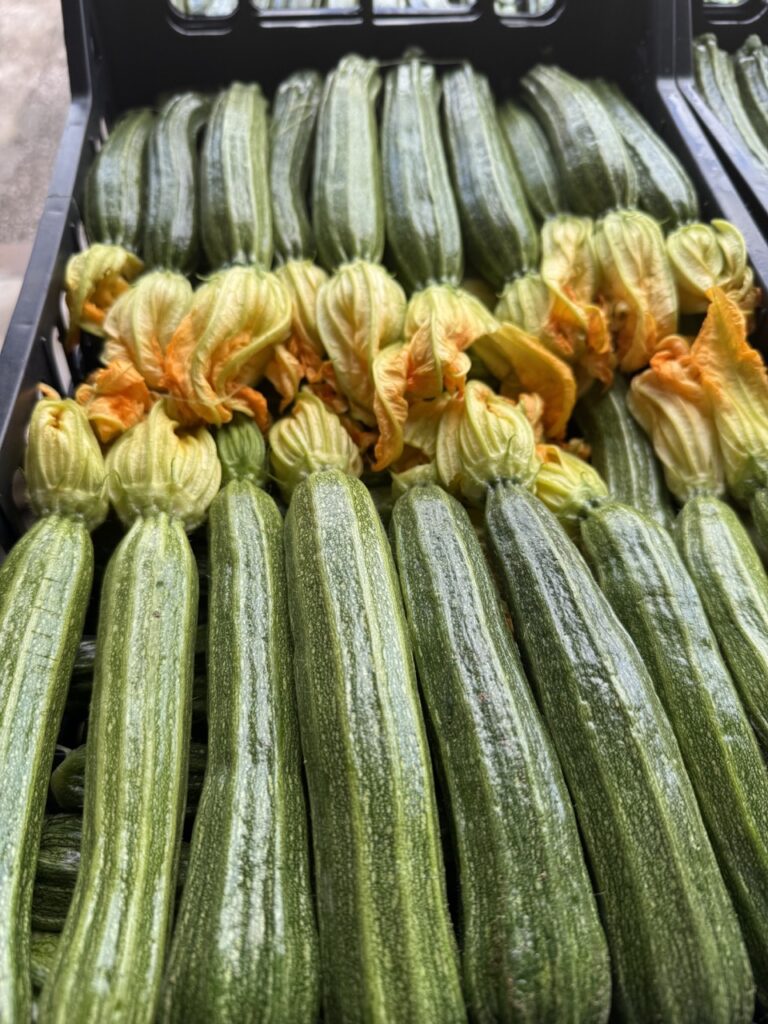
The white courgette, a particular variety of chili pepper known for the light color of its fruits, has an elongated shape and a sweet and delicate taste.
The active ingredients of this variety include a high content of water, fiber, and a good dose of vitamins, especially C and group B, as well as minerals such as potassium and magnesium.
An interesting curiosity is that the white courgette is appreciated not only for its flavor, but also for its particular resistance to parasites, which makes it suitable for organic cultivation, reducing the need for pesticides.
|
JAN
|
FEB
|
MAR
|
APR
|
MAY
|
JUN
|
JUL
|
AUG
|
SEP
|
OCT
|
NOV
|
DEC
|
|---|---|---|---|---|---|---|---|---|---|---|---|
|
JAN |
FEB |
MAR |
APR |
MAY |
JUN |
JUL |
AUG |
SEP |
OCT |
NOV |
DEC |
- Production: 2 cycles/year
- Environment: 100% greenhouse
- Trapianto: Manuale
- Cultivation method: integrated defense
- Harvest: manual
- Weight: 100-200 grams
- Cultivated ground qualities: sandy-clay-ey
Black courgette
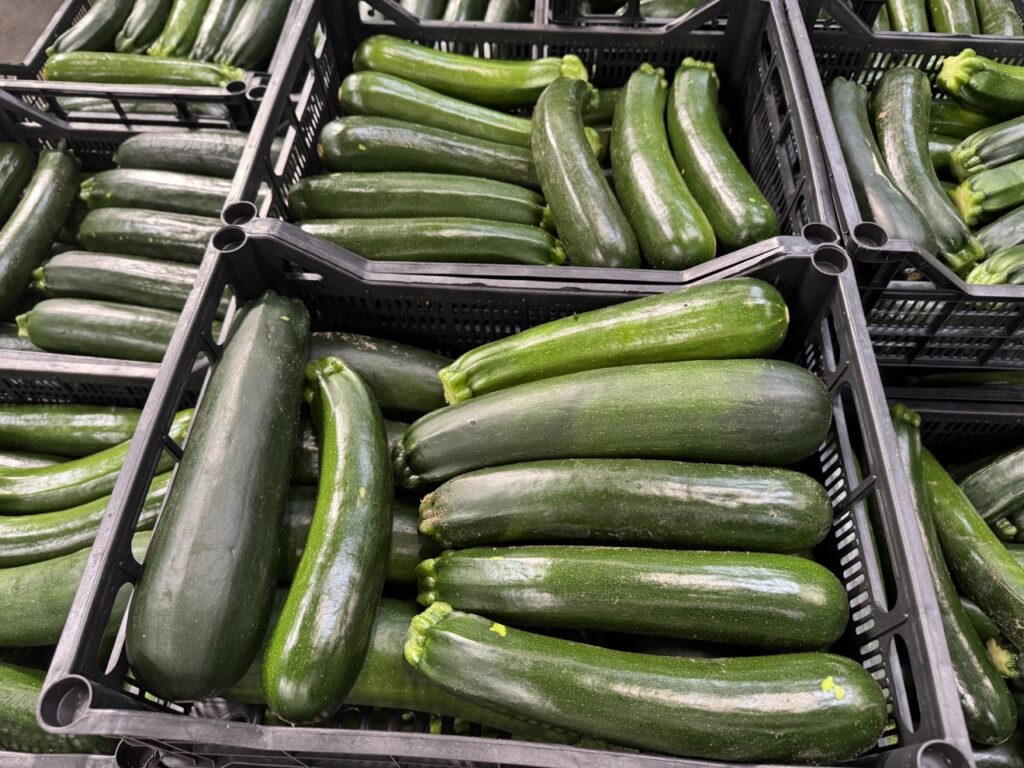
It is rich in active ingredients such as vitamins C and B, potassium, magnesium and carotenoids, which make it beneficial for the immune system and skin health.
Courgette is known for its high water content, which exceeds 90%, making it ideal for low-calorie diets. Furthermore, if harvested young, it has a more tender pulp and a delicate flavour, appreciated in many culinary preparations.
|
JAN
|
FEB
|
MAR
|
APR
|
MAY
|
JUN
|
JUL
|
AUG
|
SEP
|
OCT
|
NOV
|
DEC
|
|---|---|---|---|---|---|---|---|---|---|---|---|
|
JAN |
FEB |
MAR |
APR |
MAY |
JUN |
JUL |
AUG |
SEP |
OCT |
NOV |
DEC |
- Production: all year
- Environment: 90% greenhouse, 10% open field
- Trapianto: Manuale
- Cultivation method: integrated defense
- Harvest: manual
- Weight: 150-300 grams
- Cultivated ground qualities: sandy-slimy
Aromatic plants
Basil
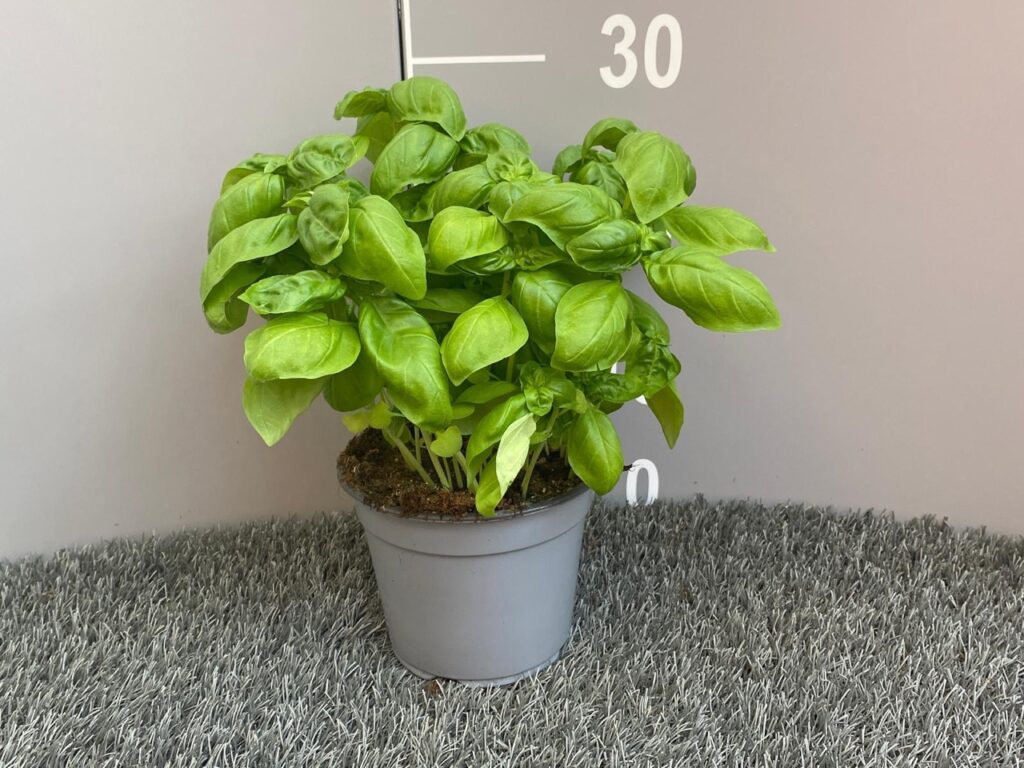
Basil (Ocimum basilicum) is an annual herbaceous plant of the Lamiaceae family, known for its characteristic aroma.
This plant grows best in rich, well-drained, sandy-loam soil, with a slightly acidic or neutral pH.
Rich in vitamins K, A and C and minerals such as iron and calcium, basil contributes to general well-being.
Curiously, this plant has been venerated for centuries in many cultures: in India it is a symbol of love and protection, while in Italy it is considered sacred. In addition to its cultural value, basil is highly appreciated in the kitchen, where it is the protagonist of preparations such as pesto and other recipes.
|
JAN
|
FEB
|
MAR
|
APR
|
MAY
|
JUN
|
JUL
|
AUG
|
SEP
|
OCT
|
NOV
|
DEC
|
|---|---|---|---|---|---|---|---|---|---|---|---|
|
JAN |
FEB |
MAR |
APR |
MAY |
JUN |
JUL |
AUG |
SEP |
OCT |
NOV |
DEC |
- Production: all year
- Environment: 80% in greenhouse, 20% in open field
- Trapianto: Manuale
- Cultivation method: organic and integrated defense
- Harvest: manual
- Weight: 50-150 grams
- Cultivated ground qualities: sandy-slimy
Marjoram
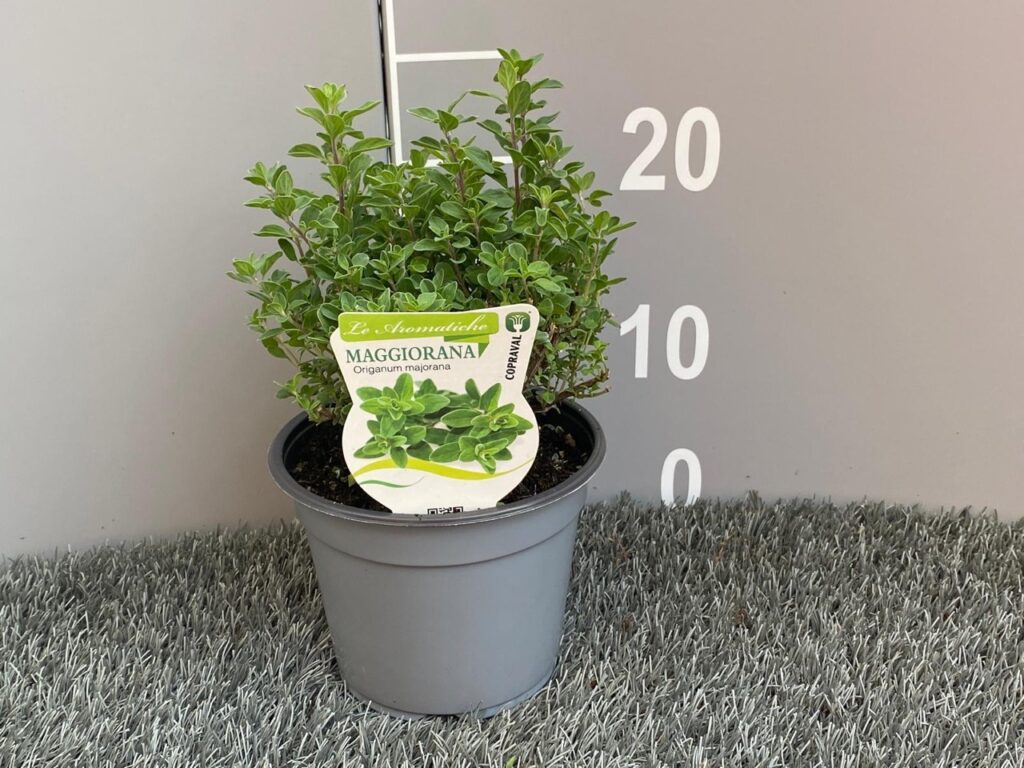
Marjoram (Origanum majorana), belonging to the Lamiaceae family, is appreciated for its delicate and sweet aroma, often used in cooking and for medicinal purposes.
This plant prefers sandy-clayey soils with good exposure to the sun. The ideal soil is rich in organic substance, but not excessively humid, as marjoram is sensitive to water stagnation.
The active ingredients of marjoram include flavonoids and tannins, which support intestinal well-being and immune system health. Known since ancient times for its medicinal properties, marjoram was used by the Greeks and Romans to create scented oils and potions. Today it is commonly used in calming herbal teas and as a natural insect repellent.
|
JAN
|
FEB
|
MAR
|
APR
|
MAY
|
JUN
|
JUL
|
AUG
|
SEP
|
OCT
|
NOV
|
DEC
|
|---|---|---|---|---|---|---|---|---|---|---|---|
|
JAN |
FEB |
MAR |
APR |
MAY |
JUN |
JUL |
AUG |
SEP |
OCT |
NOV |
DEC |
- Production: all year
- Environment: 70% greenhouse, 30% open field
- Trapianto: Manuale
- Cultivation method: integrated defense
- Harvest: manual
- Weight: 50-100 grams per plant
- Cultivated ground qualities: sandy or clayey
Peppermint
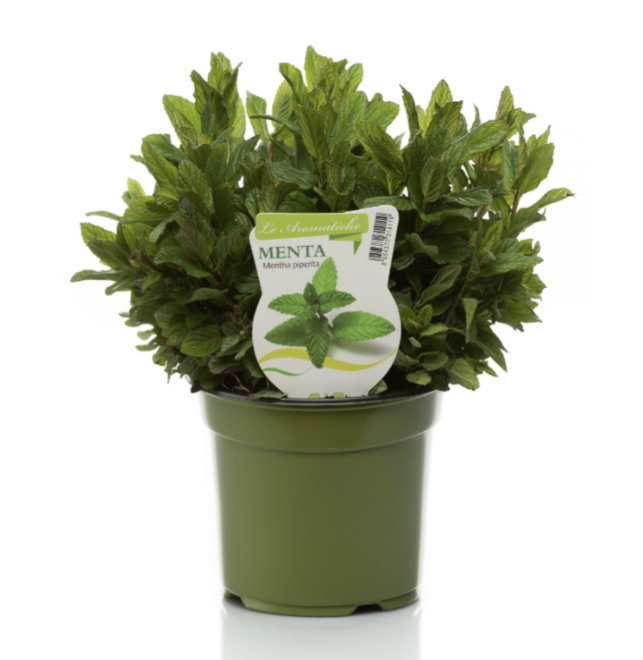
Peppermint (Mentha x piperita), a perennial herbaceous plant of the Lamiaceae family, characterized by oval and green leaves.
For its healthy growth, this plant requires sandy-loamy soil which guarantees the necessary drainage, avoiding water stagnation.
The main active ingredients include essential oils such as menthol and menthone, as well as tannins, flavonoids and vitamins A and C, which give the plant antispasmodic, digestive and refreshing properties.
A curiosity about peppermint is that, in addition to being widely used in herbal teas, cosmetics and pharmaceuticals, it is also known for its ability to ward off insects such as mosquitoes and ants thanks to its intense aroma.
|
JAN
|
FEB
|
MAR
|
APR
|
MAY
|
JUN
|
JUL
|
AUG
|
SEP
|
OCT
|
NOV
|
DEC
|
|---|---|---|---|---|---|---|---|---|---|---|---|
|
JAN |
FEB |
MAR |
APR |
MAY |
JUN |
JUL |
AUG |
SEP |
OCT |
NOV |
DEC |
- Production: all year
- Environment: 80% greenhouse, 20% open field
- Trapianto: Manuale
- Cultivation method: integrated defense
- Harvest: manual
- Weight: 50-100 grams of fresh leaves
- Cultivated ground qualities: sandy or clayey
Mint
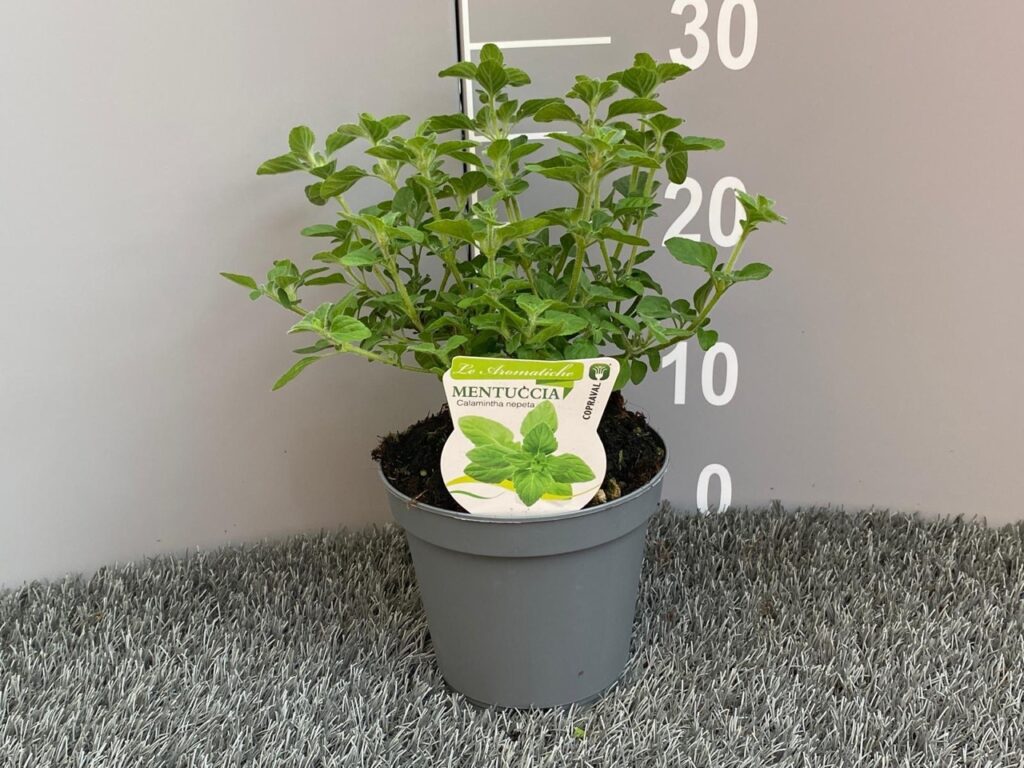
Mint (Calamintha nepeta), also known as catmint, is an aromatic perennial plant of the Lamiaceae family, appreciated for its intense aroma, similar to that of mint and oregano.
It grows well in light, well-drained and slightly sandy or clayey soils. Among the active ingredients of mint we find essential oils such as menthol, flavonoids and tannins, known for their digestive, antispasmodic and antibacterial properties.
An interesting curiosity is that mint is often grown next to vegetable gardens or gardens: its pungent aroma helps to keep some parasites away, thus promoting the healthy growth of nearby plants.
|
JAN
|
FEB
|
MAR
|
APR
|
MAY
|
JUN
|
JUL
|
AUG
|
SEP
|
OCT
|
NOV
|
DEC
|
|---|---|---|---|---|---|---|---|---|---|---|---|
|
JAN |
FEB |
MAR |
APR |
MAY |
JUN |
JUL |
AUG |
SEP |
OCT |
NOV |
DEC |
- Production: all year
- Environment: 70% greenhouse, 30% open field
- Trapianto: Manuale
- Cultivation method: integrated defense
- Harvest: manual
- Weight: 30-70 grams per plant
- Cultivated ground qualities: sandy or clayey
Parsley
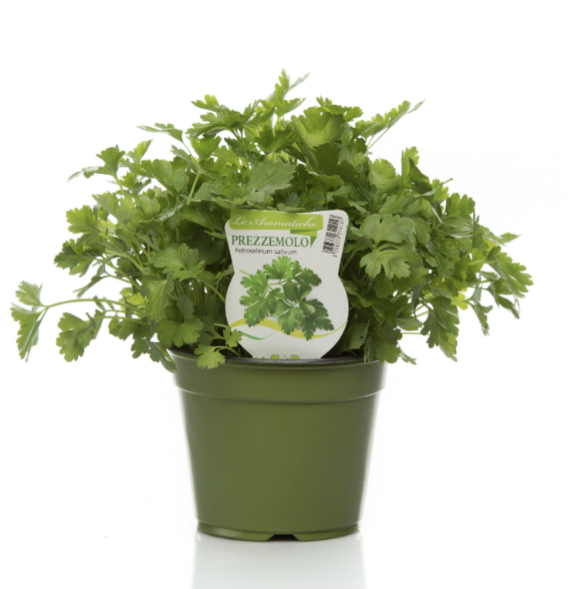
Parsley (Petroselinum crispum) prefers soft and well-drained soils, of a clayey-sandy type, with a neutral or slightly acidic pH and rich in organic substance.
The active ingredients in parsley include a good amount of vitamins A, C and K, along with minerals such as iron, calcium and potassium. It also contains antioxidant compounds and essential oils, such as apigenin and myristicin, known for their anti-inflammatory and digestive properties.
An interesting curiosity is that in ancient Greece parsley was considered a sacred plant, used to decorate the crowns of the winners of the games.
|
JAN
|
FEB
|
MAR
|
APR
|
MAY
|
JUN
|
JUL
|
AUG
|
SEP
|
OCT
|
NOV
|
DEC
|
|---|---|---|---|---|---|---|---|---|---|---|---|
|
JAN |
FEB |
MAR |
APR |
MAY |
JUN |
JUL |
AUG |
SEP |
OCT |
NOV |
DEC |
- Production: all year
- Environment: 70-80% in greenhouse 20-30% in open field
- Trapianto: Manuale
- Cultivation method: integrated defense
- Harvest: manual
- Weight: 50-100 grams per plant
- Cultivated ground qualities: sandy or clayey
Rosemary
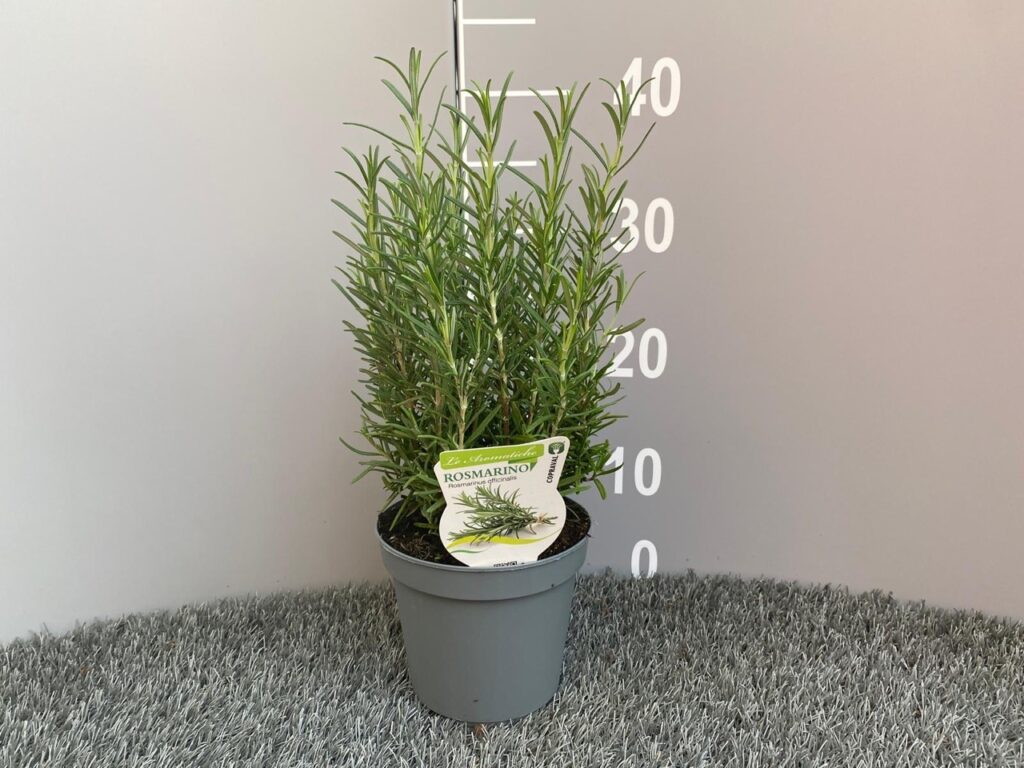
Rosemary (Rosmarinus officinalis) is an evergreen aromatic plant of the Lamiaceae family, known for its intense aroma and versatile use in cooking and medicine.
Rosemary leaves are light and elongated, and a mature bush can weigh an average of 1 to 2 kg. For optimal growth, rosemary prefers well-drained, light, sandy soil.
An interesting curiosity is that rosemary has been a symbol of memory and fidelity since ancient times, today it is studied for its potential positive effect on memory and cognitive functions.
|
JAN
|
FEB
|
MAR
|
APR
|
MAY
|
JUN
|
JUL
|
AUG
|
SEP
|
OCT
|
NOV
|
DEC
|
|---|---|---|---|---|---|---|---|---|---|---|---|
|
JAN |
FEB |
MAR |
APR |
MAY |
JUN |
JUL |
AUG |
SEP |
OCT |
NOV |
DEC |
- Production: all year
- Environment: 70% in open field and 30% in greenhouse
- Trapianto: Manuale
- Cultivation method: integrated defense
- Harvest: manual
- Weight: 50-100 grams per plant
- Cultivated ground qualities: sandy or clayey
Sage
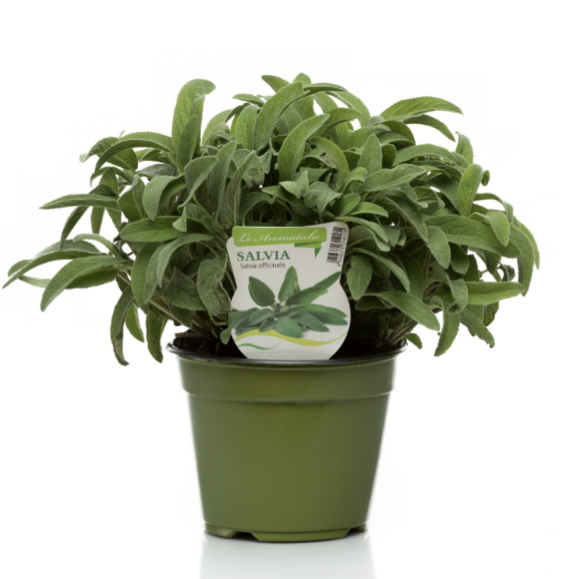
Sage (Salvia officinalis) is an aromatic perennial plant of the Lamiaceae family, known for its therapeutic and culinary properties.
It prefers well-drained and sunny soil and can adapt to medium clay or sandy soil as long as it is not too compact.
Sage's active ingredients include essential oils such as thujone and cineole, flavonoids and rosmarinic acid, which offer anti-inflammatory, antiseptic and digestive properties. The plant is also appreciated for its tonic qualities and for supporting the immune system.
Historical curiosities reveal that sage was considered a sacred plant by the Greeks and Romans, who attributed it powerful healing abilities. It was used in religious rites and considered a symbol of longevity and protection. Even today, sage is associated with wellness and natural health, and continues to be enjoyed both as a medicinal herb and as an aromatic ingredient in Mediterranean cuisine.
|
JAN
|
FEB
|
MAR
|
APR
|
MAY
|
JUN
|
JUL
|
AUG
|
SEP
|
OCT
|
NOV
|
DEC
|
|---|---|---|---|---|---|---|---|---|---|---|---|
|
JAN |
FEB |
MAR |
APR |
MAY |
JUN |
JUL |
AUG |
SEP |
OCT |
NOV |
DEC |
- Production: all year
- Environment: 80% grown in greenhouses, 20% in open fields
- Trapianto: Manuale
- Cultivation method: integrated defense
- Harvest: manual
- Weight: 120-250 grams
- Cultivated ground qualities: sandy-slimy
Savory
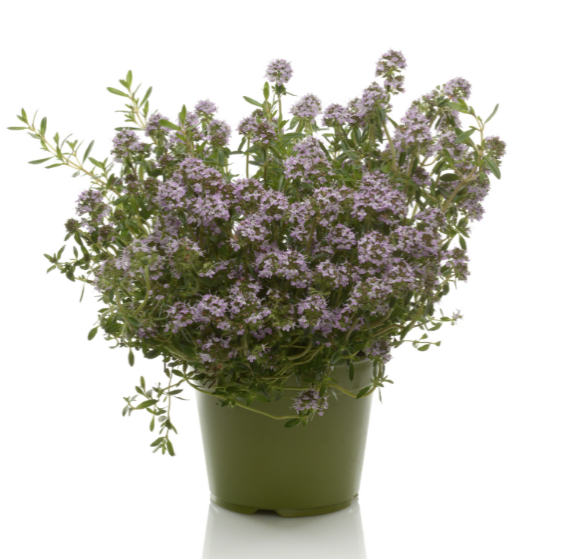
Savory is a variety of chilli pepper, appreciated for its strong and aromatic flavour. Generally, the fruits of this plant weigh on average between 10 and 15 grams each. For optimal growth, savory requires preferably sandy or slightly clayey soil.
From the point of view of active ingredients, savory contains antioxidant compounds such as vitamin C and carotenoids, which promote cellular health and strengthen the immune system.
An interesting curiosity is that savory not only offers an advantage in the kitchen, but also contributes to biodiversity: its flowers attract bees, butterflies and other pollinators, creating a small ecosystem around the plant and promoting natural pollination in the environment.
|
JAN
|
FEB
|
MAR
|
APR
|
MAY
|
JUN
|
JUL
|
AUG
|
SEP
|
OCT
|
NOV
|
DEC
|
|---|---|---|---|---|---|---|---|---|---|---|---|
|
JAN |
FEB |
MAR |
APR |
MAY |
JUN |
JUL |
AUG |
SEP |
OCT |
NOV |
DEC |
- Production: all year
- Environment: 80% greenhouse, 20% open field
- Trapianto: Manuale
- Cultivation method: integrated defense
- Harvest: manual
- Weight: 100-200 Grams per bunch
- Cultivated ground qualities: sandy-slimy
Thyme
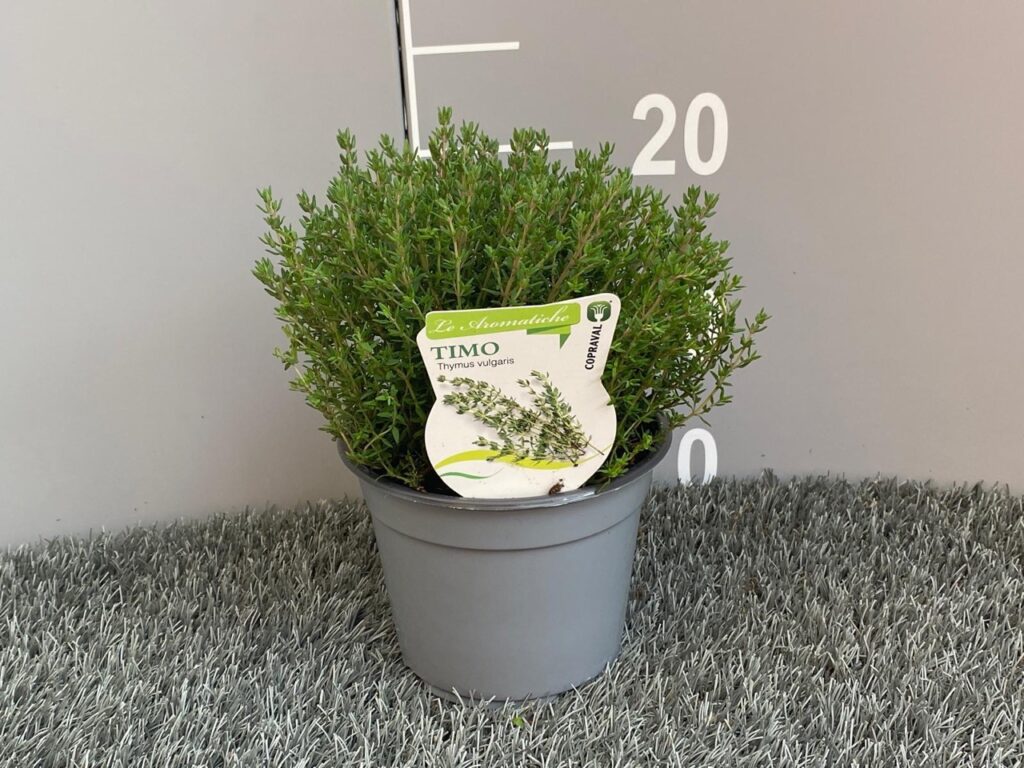
Thyme (Thymus vulgaris) is an aromatic plant of the Lamiaceae family, which grows best in well-drained and light soils, preferably sandy or calcareous. Rich in vitamins A and C, it is a precious natural ally to support the immune system.
In addition to culinary (for meat, fish and vegetables) and medicinal use, its essential oils are used in skin care products and to perfume the environment, thanks to its fresh and balsamic fragrance.
The ancient Egyptians used it in embalming practices, while for the Romans it was a symbol of courage and was added to baths to reinvigorate the body. Furthermore, due to its use in kitchens and natural medicine, thyme is a popular choice for scenting the environment and for making natural disinfectants.
|
JAN
|
FEB
|
MAR
|
APR
|
MAY
|
JUN
|
JUL
|
AUG
|
SEP
|
OCT
|
NOV
|
DEC
|
|---|---|---|---|---|---|---|---|---|---|---|---|
|
JAN |
FEB |
MAR |
APR |
MAY |
JUN |
JUL |
AUG |
SEP |
OCT |
NOV |
DEC |
- Production: all year
- Environment: 80% greenhouse, 20% open field
- Trapianto: Manuale
- Cultivation method: integrated defense
- Harvest: manual
- Weight: 50-100 grams per plant
- Cultivated ground qualities:sandy or clay-ey